AI must now be labelled: what the AI Act changed in August
News summary: the AI Act’s transparency rules have applied since 2 August. What changed for chatbots and AI-generated content, and what was postponed to 2027?
17 November 2026 · 4 perc olvasás

Important: this article is an informational news summary. It does not constitute legal advice and cannot be relied on as a legal position. Always ask an expert about your own situation.
Since 2 August 2026, the transparency rules of the EU Artificial Intelligence Act (AI Act) have applied. In one sentence: AI has to introduce itself. Chatbots must make it clear that it isn’t a human answering, and deceptively realistic AI-generated content must be labelled. Over the summer, the European Commission also published guidelines and a voluntary code of practice. Here’s a summary of what happened and what’s coming next.
What do the new rules say?
Article 50 of the AI Act covers several players and several situations. According to the regulation and the Commission’s guidelines, the key points are:
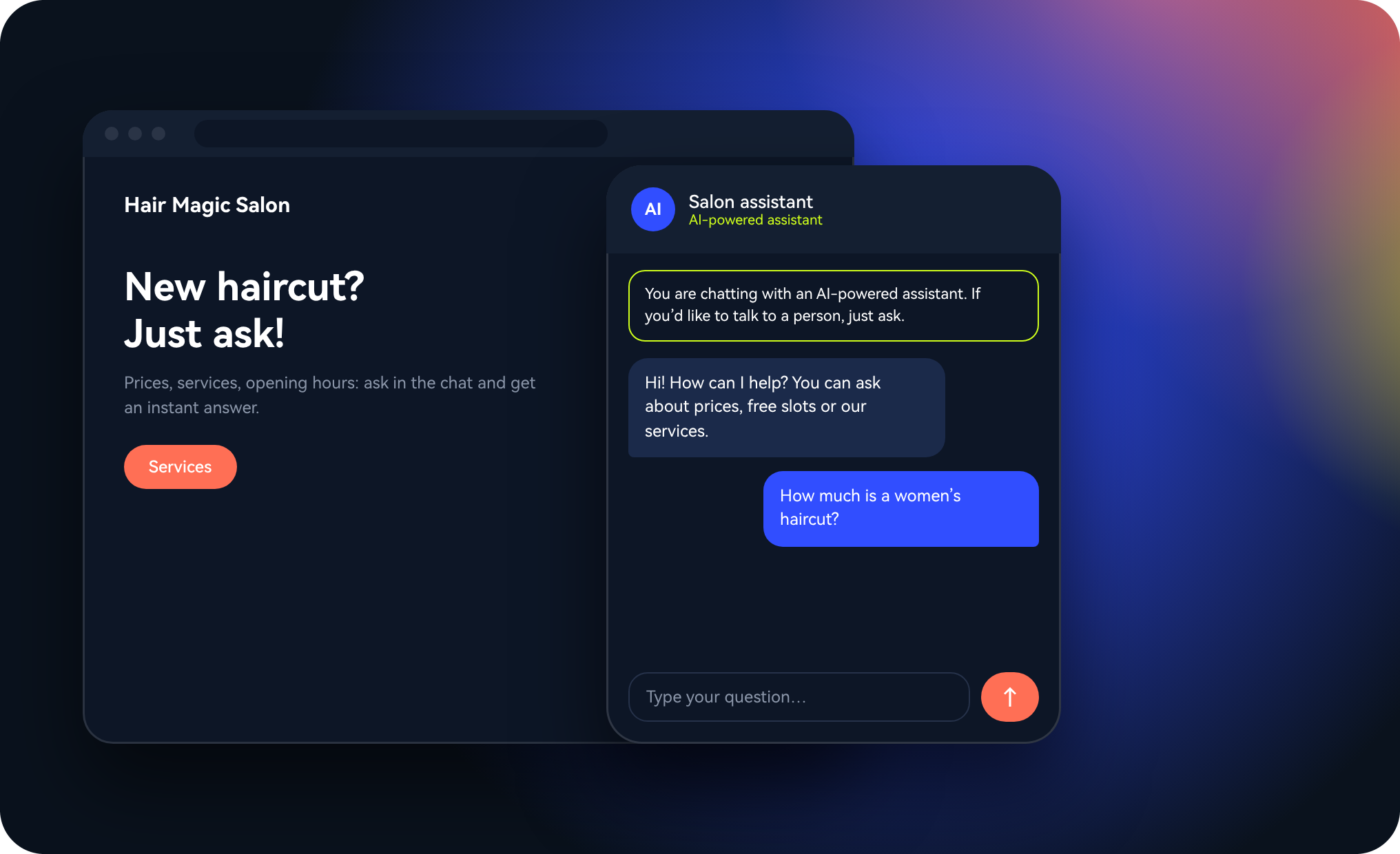
Chatbots: anyone chatting with an AI system must be told so, clearly, at the latest at the first interaction.
Realistic AI content: realistic-looking AI images, videos and audio that resemble existing people, places or events (so-called deepfakes) must be labelled. The rule is lighter for artistic, satirical or fictional content.
AI-written text: AI-generated text published to inform the public on matters of public interest must be labelled, unless a person has reviewed it as an editor and takes responsibility for it.
Machine-readable marking: providers of AI tools must make sure generated content can be detected by machines, for example with a built-in watermark.
Some of the obligations fall on the developers of AI tools, others on the businesses using them. Legal analyses don’t always agree on exactly who is responsible for what in a given situation, so it’s worth discussing the details with an expert.
In short 🧭 Since August, AI has to introduce itself: a chatbot must say it’s an AI, and realistic AI content must be labelled.
What was postponed, and what wasn’t?
The amendment to the AI Act that entered into force in July 2026, known as the Digital Omnibus, pushed back several deadlines. The rules for high-risk AI systems (for example AI used for CV screening or credit scoring) moved to December 2027 and August 2028. The transparency rules, however, were not postponed: they have applied since 2 August.
There is one grace period: providers of generative AI systems placed on the market before August have until 2 December 2026 to implement machine-readable marking of their content. This deadline applies to providers, not to chatbot disclosures or deepfake labelling.
What are the fines?
According to the sources, the maximum fine for breaching the transparency rules is €15 million or 3% of worldwide annual turnover. Enforcement is carried out by the market surveillance authorities designated by the member states.
What’s worth doing now?
If your business uses AI, it’s worth taking a look around: is there a chatbot on your website, do you use realistic AI-generated images or videos, and do you write texts on public-interest topics with AI? If you use a ready-made chatbot or AI tool, ask the provider how they comply with the rules. And ask an expert about your own situation.
💡 Prompt tip: if your Suara-built site has a chat window, you can add the disclosure with a single prompt: “Show this clearly at the top of the chat window: ‘You are chatting with an AI-powered assistant.’”
Summary ✨ The AI Act’s transparency rules have applied since 2 August and were not postponed. Chatbots must introduce themselves and realistic AI content must be labelled, while the rules for high-risk systems moved to 2027–2028. The Commission’s guidelines and the code of practice give further guidance on the details.
This article is an informational news summary. It does not constitute legal advice and cannot be relied on as a legal position. Ask an expert about your specific case. The article reflects the situation as of November 2026.
Sources
European Commission: Code of Practice on marking and labelling AI-generated content
Bird & Bird: European Commission adopts final guidelines on AI Act Article 50
The EU AI Act’s Transparency Rules: A Practical Guide to Article 50
Papirusz.hu (in Hungarian): AI-generated content must be labelled from 2 August